
Aviation Fuel Installation: Ensuring Integrity and Safety
The installation of aviation fuel systems is a high-stakes undertaking that demands more than just engineering proficiency—it requires meticulous attention to safety, environmental responsibility, and long-term system integrity. Given the critical role fuel plays in aviation, even the slightest error in design or installation can have catastrophic consequences. This is especially true for underground systems, often buried beneath thick apron concrete, where access for rectification is limited and costly.
Project Background
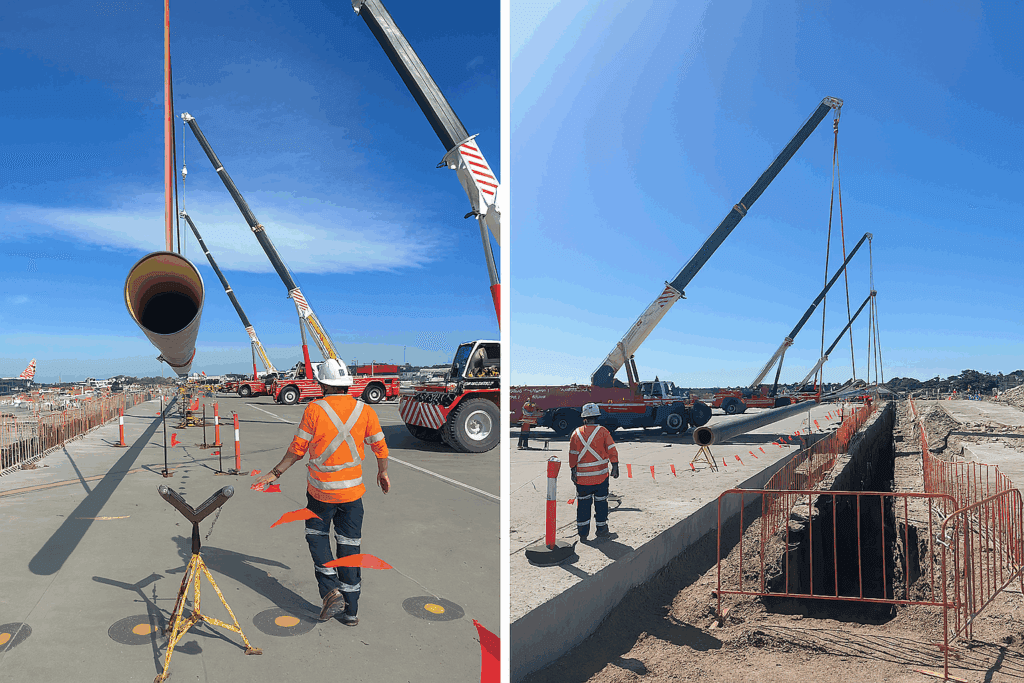
In a recent project, Infradepth was engaged to deliver a new Jet A-1 fuel supply header and associated hydrant infrastructure for upcoming aircraft bays within a major airport expansion. The scope of works extended beyond fuel infrastructure to encompass a wide range of concurrent construction activities, including bulk earthworks and apron concrete pavement—each within a fully operational airport environment.
Key Challenges
Several complex challenges defined the project:
-
Unstable Sandy Soil: Installing pipelines at the required depth in sandy ground demanded advanced geotechnical strategies and secure trenching techniques.
-
Concurrent Activities: Simultaneous construction operations required meticulous coordination to avoid clashes and ensure safe progress.
-
Operational Constraints: Working in a live airport setting introduced strict operational and safety requirements, demanding a zero-tolerance approach to risk.
Critical Success Factors
To navigate these challenges and ensure system integrity, the following elements were vital:
1. Welding Compliance
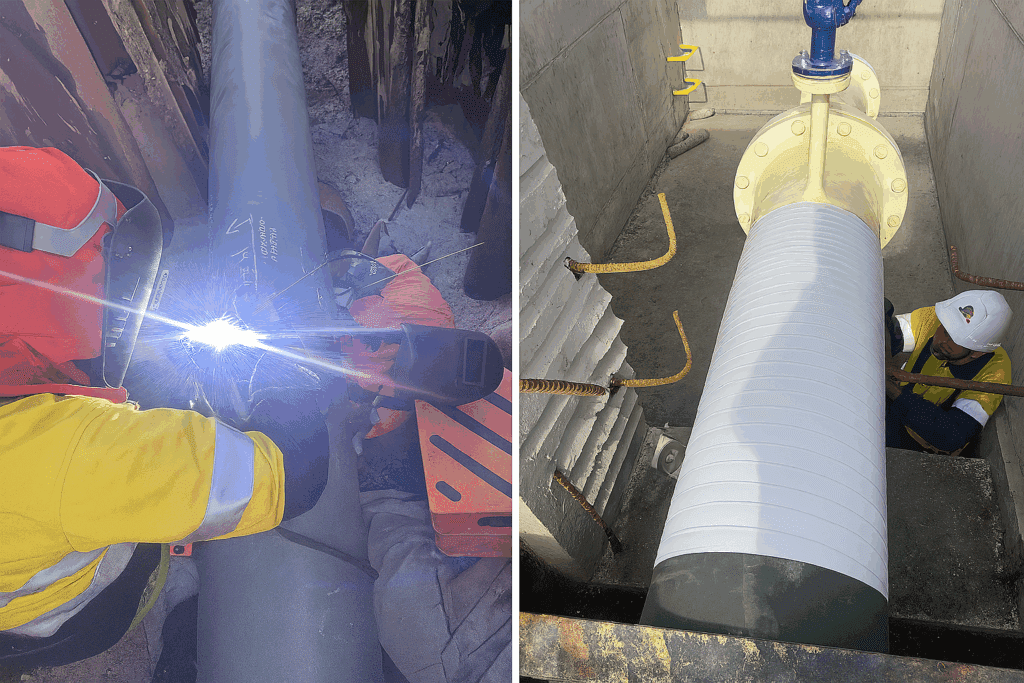
All welding teams and procedures adhered strictly to relevant industry standards, ensuring structural soundness and system longevity. Certified personnel and documented processes helped mitigate potential structural failures.
2. Rigorous Quality Control
On-site quality control officers monitored welding operations continuously. Independent inspections and testing checkpoints were established to validate compliance at every stage.
3. Comprehensive Traceability
Detailed records of every weld, inspection, and material used were maintained. This ensured full accountability and facilitated efficient quality assurance and auditing processes.
4. Corrosion Protection
Corrosion mitigation strategies were tailored to environmental exposure:
-
Above-ground sections received protective coatings and physical barriers.
-
Buried sections incorporated protective wrappings and moisture-resistant materials.
5. Cathodic Protection
Cathodic protection systems were installed to guard against underground corrosion. Critical to long-term reliability, these systems were thoroughly tested during construction, as post-installation access would be impractical and expensive.
6. Pipeline Installation Precision
Tight tolerances were followed to facilitate future maintenance and moisture extraction. Clean installation techniques were essential to maintain internal cleanliness and avoid fuel contamination.
7. Product Quality Testing
Strict fuel quality testing protocols were implemented to detect the slightest impurities. Contaminated product can render the system inoperable, leading to costly disposal and re-cleaning processes. Pipe cleanliness and pre-commissioning cleaning were essential steps.
8. Hydraulic Balancing & System Testing
Detailed planning for hydraulic balancing ensured that system pressures were optimized during commissioning. This included pressure and strength testing to validate operational readiness and ensure seamless integration with existing infrastructure.
A Trusted Delivery Partner
From technical compliance to operational coordination, Infradepth applies a comprehensive, system-wide approach to aviation fuel infrastructure. We understand the critical variables at play and have the experience, personnel, and systems required to manage them effectively.
Need expert guidance on your aviation fuel infrastructure project?
Contact Infradepth today to ensure your system is delivered to the highest standards of safety, integrity, and operational excellence.